
 Maintenance
5 min read
Hydrojetting vs. Chemical Cleaning: Choosing the Right Tube Cleaning Method
Fouling type and tube metallurgy decide which cleaning method restores duty without damaging the bundle — a side-by-side comparison.
Read MoreOmar Suleiman
Maintenance & Refurbishment Manager · 6 min read
A gasketed plate heat exchanger rarely fails all at once — it degrades through a sequence of symptoms, and the right intervention at each stage is different. Regasketing a unit that actually needs replacement wastes a shutdown window; replacing a unit that only needed new gaskets wastes a capital budget line that didn’t need to be spent.
If approach temperature has crept up but a visual inspection shows the plates and gaskets intact, the most likely cause is fouling on the plate surface rather than mechanical degradation. This is the cheapest fix in the whole decision tree — a chemical clean-in-place or mechanical plate wash restores duty without opening the frame at all.
Gaskets are the wear item by design — elastomer compounds harden and lose compression set over a service life typically measured in 3–5 years depending on fluid chemistry and temperature cycling. Hardened gaskets show as external weeping at the plate pack edge, or — more seriously — as cross-contamination between the two fluid circuits if a gasket has failed internally. Either symptom calls for a full regasket, which is a planned maintenance event, not an emergency one, if caught at the weeping stage.
“Cross-contamination between circuits is the one plate-exchanger symptom that should never wait for the next scheduled shutdown.”
Where individual plates show pitting corrosion, stress cracking near the gasket groove, or measurable thickness loss on ultrasonic testing, gaskets alone won’t fix the unit. Reclad — replacing the plate pack while reusing the existing frame, connections and pressure-rated hardware — is usually the more economical route than full replacement, provided the frame itself passes inspection and the connection sizing still matches current duty.
Replacement becomes the economical choice once the frame itself is compromised — corrosion at the carrying/guide bar interfaces, tie-bolt thread damage, or a duty change large enough that the existing plate count and connection sizing can no longer meet the new thermal requirement. At that point, reclad no longer saves meaningful cost over a new unit sized correctly for current and near-term future duty.
Sign up for the latest news, project milestones and updates from our engineering team.
MaintenanceFouling type and tube metallurgy decide which cleaning method restores duty without damaging the bundle — a side-by-side comparison.
Read More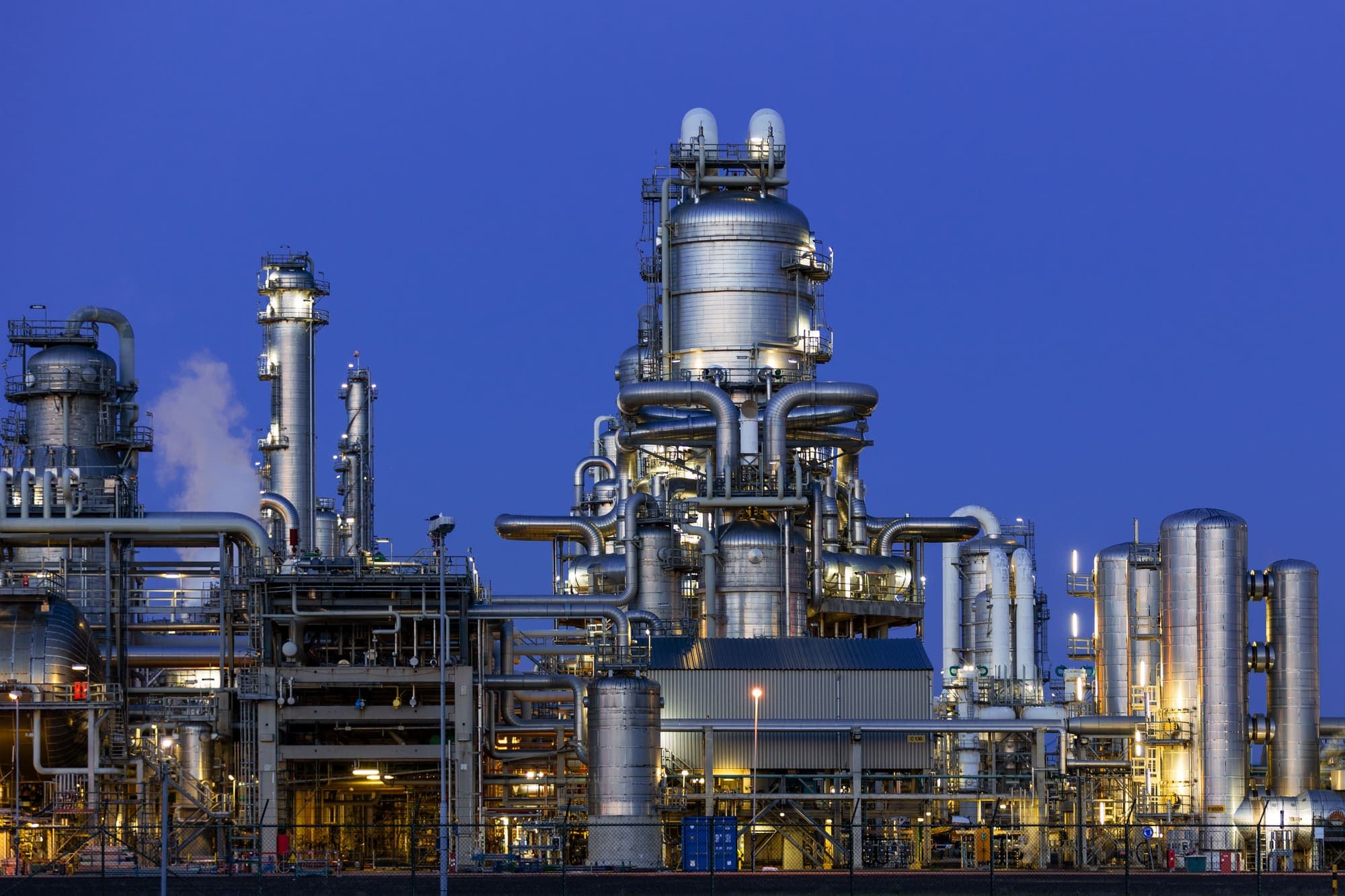 Oil & Gas
How NACE MR0175 material selection and API 660 design decide whether an exchanger survives sour hydrocarbon service for two years or twenty.
Read More Thermal Systems
Fixed tubesheet, U-tube, or floating head — how TEMA front-end, shell and rear-end designations decide which shell and tube configuration fits your process duty.
Read More Thermal Systems
Why nameplate ratings from temperate climates fail in the Gulf, and how API 661-compliant fin and bay design closes the gap.
Read More Fabrication
Code stamps, material traceability and NDT records — the documentation package that separates an audit-ready pressure vessel from a liability.
Read More EPC
EPCHow HTRI thermal modelling, fabrication and site commissioning fit together on a turnkey EPC scope — and where schedule risk actually hides.
Read More